
Victoree Angus
Where 165 Years of Australian Farming Heritage Meets Modern Genetics
—Breeding Bulls That Deliver Premium Beef Quality, Superior Fertility, and Proven Grass-Fed Performance.
About
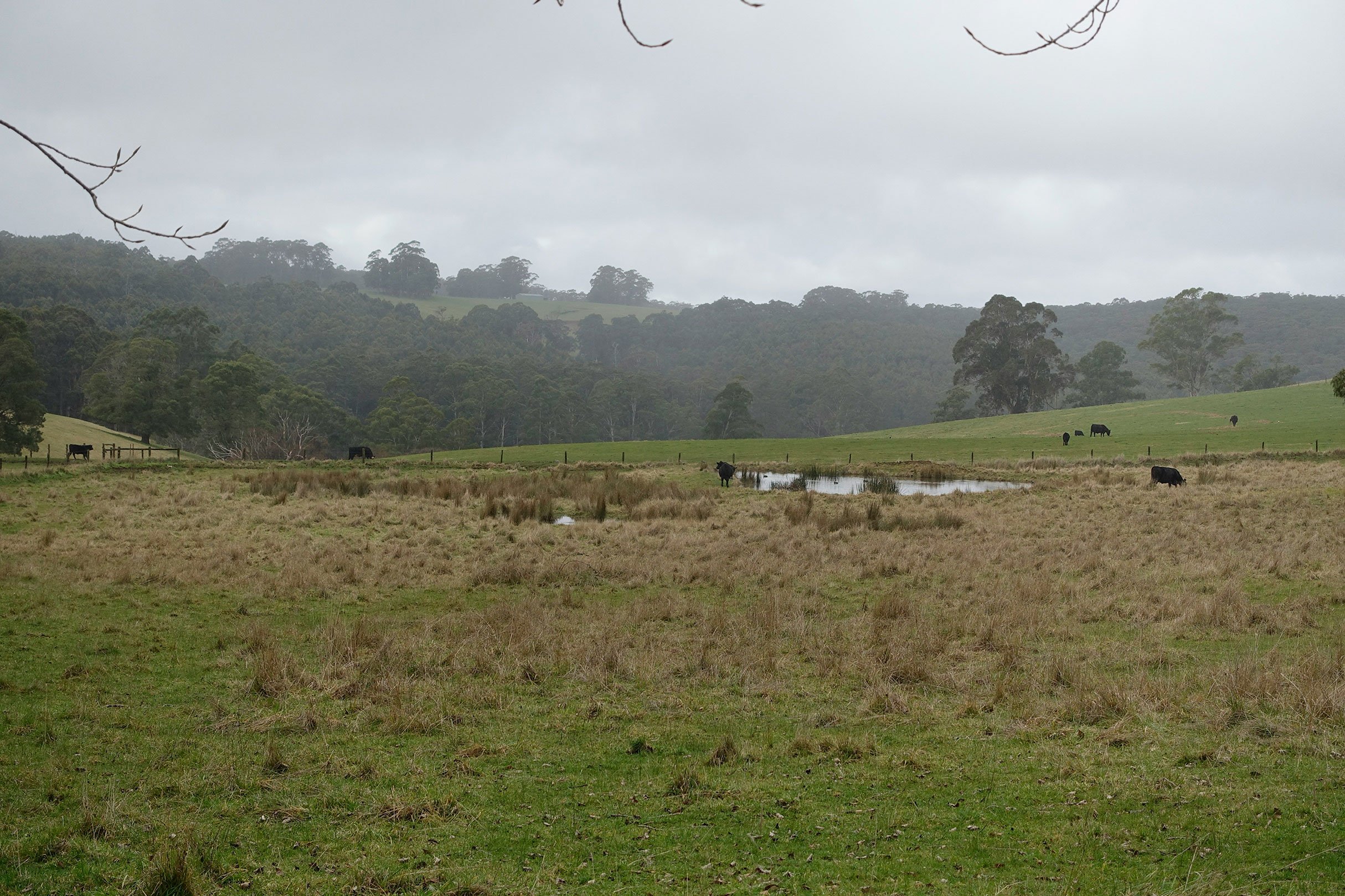
The Williams family of Victoree have been Australian farmers since 1859 and stud Angus breeders since 1946. Our Farm Angus is a joint venture between the McGregors of New Zealand and Victoree, focused on producing prime beef off dry grass.
We've watched Australian Angus breeding swing from one extreme to another—from compact, fat cattle in the 60s to growth explosions in the 80s that produced 700-900kg cows struggling to get back in calf on grass. The Angus industry learned hard lessons chasing performance without practicality.
Armed with decades of real-world data and commercial breeding experience, we've returned to what works: genetics that balance carcase quality, fertility, and structure for sustainable grass-fed production. No grain required.
Our bulls are selected to help you produce well-marbled, premium beef off grass while maintaining cow efficiency and herd fertility. Because performance means nothing if your cows can't do it on dry grass with sheep running around and no corn silage bin to follow.
The next beef boom is in our Angus hands.
The Evolution of Australian Angus
1940s-1950s
The Australian Angus industry featured predominantly frame 3-5, deep-bodied cattle with impressive stature. However, breeding practices were largely unstructured, with minimal data collection on weights and measurements.
1960s
The industry shifted toward more compact phenotypes, often converting grass to fat rather than muscle and growth.
1970s
American professors criticized the Australian industry for insufficient growth and yield metrics, prompting a fundamental reassessment.
1980s
The importation of US genetics revolutionized the breed. While American cattle evolved from frame four to frame fourteen during this period, Australian breeders adopted a more data-driven approach. The introduction of BREEDPLAN in 1986 revealed that Australian Angus cattle had excessive fat and insufficient muscle development. The 600-day weight average increased dramatically from 26 in 1986 to over 90 today.
1990s
While other breeds focused on show ring success, Angus breeders prioritized performance data, weighing calves and measuring carcasses to meet export market demands through feedlot systems. However, this emphasis on powerhouse performance and index-driven selection created unintended challenges. Many commercial producers reported difficulties with 700-900kg cows struggling to reconceive on grass-based systems, particularly those daughters of US sires requiring grain supplementation rather than relying solely on pasture.
2000s-Present
Environmental sustainability and human health considerations have refocused attention on grass-fed production systems. The nutritional benefits of grass-fed beef—particularly its favorable omega-3 to omega-6 fatty acid ratio—prompted a comprehensive reassessment of Angus genetics and phenotype. Today, the Angus breed possesses an unparalleled genetic database, enabling breeders to select for cattle of various sizes and types while maintaining fertility and structural soundness on grass-based systems.
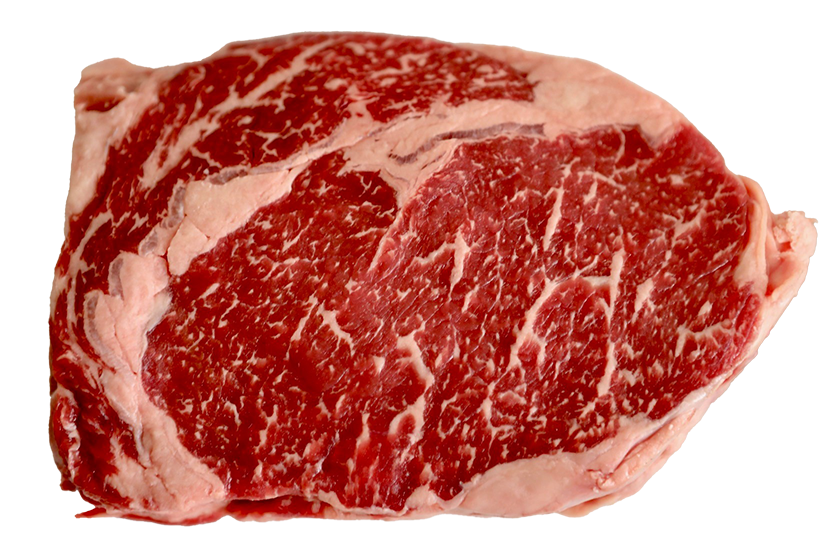
The future of premium beef production lies in genetics that combine quality with grass-fed efficiency.
The premium beef market increasingly values well-marbled, grass-finished beef commanding $50-100+ per kilogram. Our breeding program selects bulls that deliver exceptional carcass quality while maintaining superior fertility and structural correctness on grass alone, without grain supplementation.
Contact Us
Have questions about our breeding program or available cattle? Get in touch – we're always happy to talk Angus.